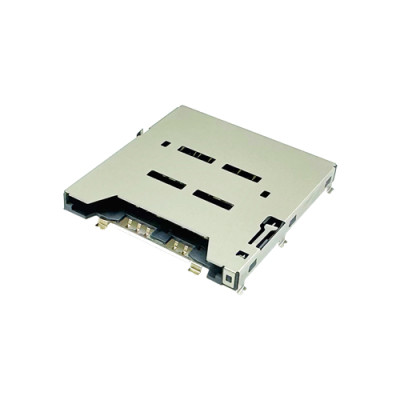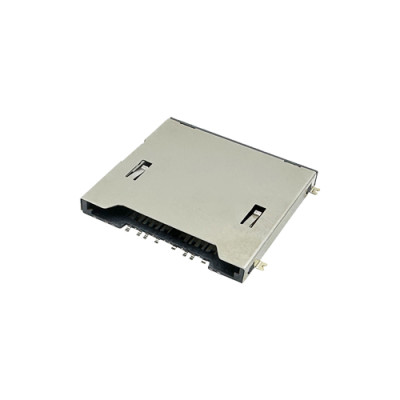
A Turning Point for Micro SIM Card Connectors
1. Introduction: A Turning Point for Nano SIM Card Connectors
Driven by the rapid growth of IoT, 5G, and Industry 4.0, Nano SIM card connectors are evolving from supporting components in consumer electronics to critical parts in industrial and automotive applications.
By 2025, global IoT device shipments are expected to reach 30 billion units, with over 40% coming from industrial and automotive sectors. This shift is driving strong demand for high-reliability and customized Nano SIM connectors.
The industry is entering a new era: moving from standardized supply to value-driven competition.
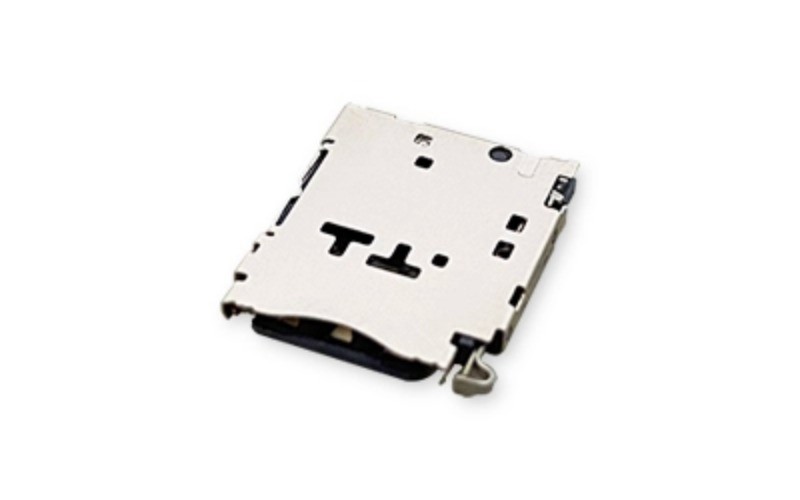
2. Key Trends Shaping the Industry
2.1 From Standardization to Customization
Traditionally, manufacturers focused on mass production of standardized products.
Today, customer expectations have shifted from “functional” to “optimized performance.”
Examples include:
• Ultra-thin 1.2mm connector designs
• Low MOQ or prototype-level production
This shift toward low-volume, high-mix production is pushing manufacturers to become solution providers rather than simple suppliers.
2.2 From Consumer-Grade to Industrial-Grade Reliability
As applications expand into industrial and automotive environments, performance requirements increase significantly:
• Operating temperature: -40°C to 85°C
• Mating cycles: up to 10,000
• High vibration resistance
Consumer-grade connectors can no longer meet these demands.
To address this, manufacturers are adopting:
• LCP high-temperature plastics
• High-elasticity phosphor bronze terminals
2.3 From Import Dependence to Domestic Substitution
The high-end connector market was historically dominated by global brands.
However, domestic manufacturers are rapidly closing the gap through:
• Technological innovation
• Automotive-grade certifications (IATF 16949)
Market data shows that domestic suppliers increased their share from 15% in 2020 to 35% in 2025.
Localization is becoming an irreversible trend.
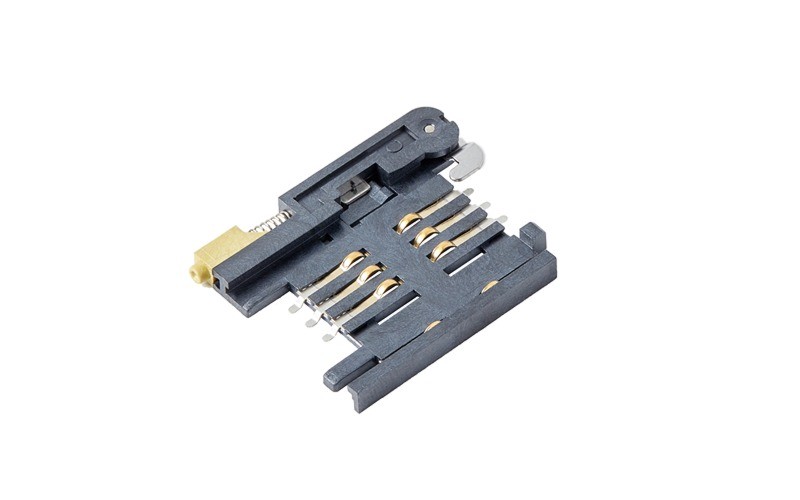
3. New Competitive Requirements for Manufacturers
To stay competitive, companies must develop three core capabilities:
1. Rapid customization (e.g., 7-day prototype delivery)
2. Industrial-grade reliability engineering
3. Localized technical support with fast response
Manufacturers lacking these capabilities risk being phased out.
4. Case Study: Turning Capabilities into Results
In 2024, an IoT module manufacturer faced several challenges:
• Ultra-thin design (≤1.5mm)
• Wide temperature range (-30°C to 75°C)
• High vibration stability
MOARCONN delivered an integrated solution:
• Structural optimization: reduced height to 1.2mm
• Material upgrade: LCP + phosphor bronze
• Fast turnaround: 7-day prototyping, 18-day validation
Results achieved:
• Thickness reduced from 18mm to 14mm
• Time-to-market shortened by 20 days
• Cost reduced by 12%
• Shipment exceeded 1.2 million units
• Zero customer complaints
5. Key Insight: From Product Thinking to Value Thinking
The core takeaway is clear:
Competitive advantage is not about what you produce,
but what problems you solve for your customers.
True value lies in:
• Faster development cycles
• Lower total cost
• Stronger end-product competitiveness
6. Conclusion: The Future of the Industry
Looking ahead to 2026, three major trends will continue:
• Customization
• Industrial-grade reliability
• Domestic substitution
The industry will shift toward precision-driven competition.
Leading companies will differentiate through:
• Advanced R&D capabilities
• Rapid response
• Strong engineering support
Nano SIM connector manufacturers will evolve from component suppliers to enablers of intelligent connectivity.