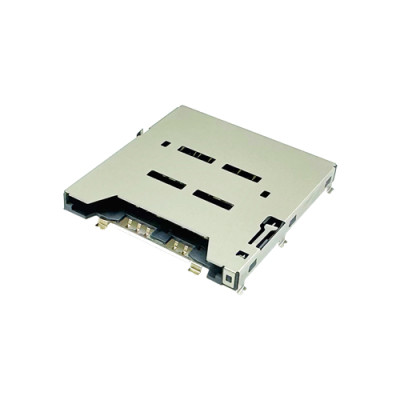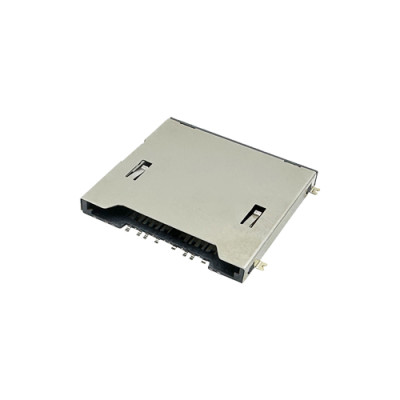
Common Failures of Nano SIM Card Connectors & How to Prevent Them
Nano SIM connectors might be small, but they determine whether devices can communicate reliably. In industrial IoT, trackers, automotive terminals, and handheld electronics, even a 0.01 mm deviation can lead to failures and costly field returns.
At Moarconn, we manufacture high-precision SIM and Nano SIM connectors for global OEMs. Based on real industry cases and engineering standards, this guide summarizes the most common failure modes and how to prevent them through design and manufacturing.
1. Contact Wear & Poor Electrical Continuity
When plating is too thin or contaminated, the SIM cannot maintain reliable electrical contact. Long-term insertions, vibration, and humidity accelerate wear.
Why It Happens
Uneven or insufficient gold plating
Contaminants left from molding/stamping
Weak spring force
Tolerance mismatch with SIM card
How to Prevent It
Use proper Au/Ni or Pd-Ni plating
Apply CCD inspection to detect plating defects
Optimize spring structure for fatigue resistance
Use high-temperature LCP to prevent housing deformation
Moarconn performs 100% contact CCD inspection to eliminate micro scratches and plating voids.
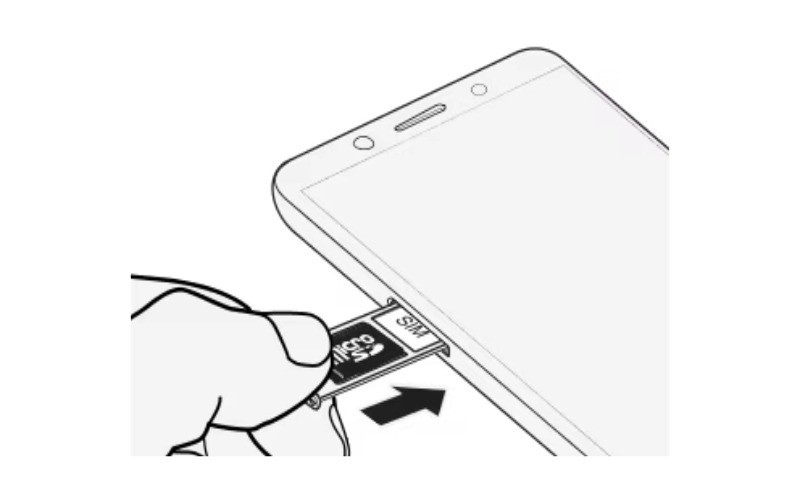
2. Card Detection Switch Failure
Nano SIM connectors often include a card detect (CD) switch. Long-term cycling or dust contamination can cause detection failures.
Common Causes
Excessive stroke force damaging switch
Dust/oxidation inside switch
Weak elasticity of metal dome
PCB warpage after SMT
Prevention
Use high-cycle metal-dome CD structures
Improve ingress resistance
Conduct 10,000+ cycle tests
Control reflow temperature to avoid resin deformation
Moarconn offers CD designs with 30% longer mechanical life for industrial customers.
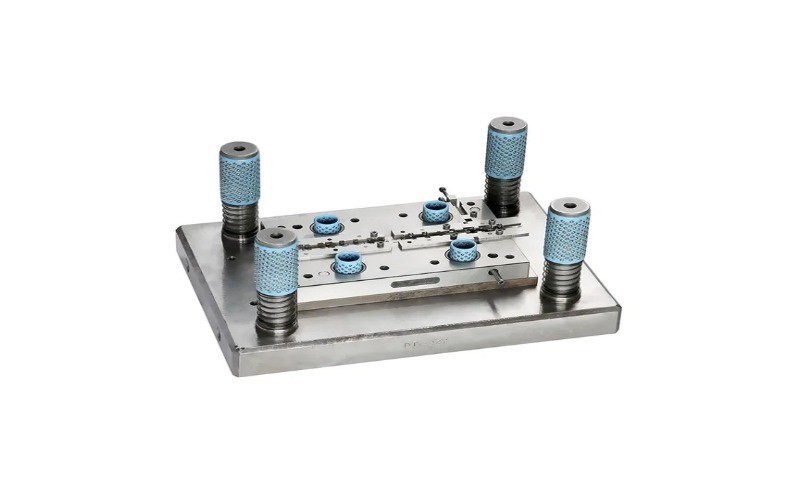
3. Housing Deformation & Warpage
Even slight deformation misaligns the SIM card, causing intermittent signals or failure.
Why It Happens
Low-heat-resistance plastics
Incorrect injection molding settings
Uneven cooling
Reflow temperature too high
How to Prevent It
Use high-flow LCP
Control mold temperature/pressure
Optimize flow direction
Add metal shell to stabilize dimensions
Moarconn’s LCP injection molding achieves ±0.01 mm dimensional accuracy.

4. Poor SMT Solder Reliability
Even a well-made connector may fail if soldering is poor.
Typical Issues
Cold solder joints
Excessive voids
Pad peeling
Coplanarity mismatch
How to Prevent
Control coplanarity <0.1 mm
Perform AOI after SMT
Use validated PCB footprints
Maintain proper reflow profile
Moarconn offers verified PCB footprints and 3D models to reduce SMT defects.
5. Misalignment & SIM Card Jamming
Nano SIM connectors require precise guiding structures. Poor tolerance control can cause pin bending and jamming.
Causes
SIM tray design issues
Poor tolerance stacking
Weak positioning of pins
Inaccurate molding dimensions
Prevention
Maintain ±0.02 mm precision
Add anti-jamming guiding ribs
Use reinforced SS shells
Conduct mechanical fit tests
Moarconn designs guiding ribs and 0.6–0.8 N optimized pin force to improve global SIM card compatibility.
Why Choose Moarconn
Moarconn specializes in SIM, Nano SIM, SD, Micro SD and other precision card connectors.
We provide:
High-precision stamping & molding (±0.01 mm)
Gold-plated contacts for long life
100% CCD inspection
Industrial-grade material selection
10,000–30,000 insertion-cycle testing
Customized connector solutions
More details: www.moarconn.com
Conclusion
Most Nano SIM connector failures originate from microscopic issues in contacts, materials, alignment, and SMT soldering. With proper engineering, these failures can be minimized.
Moarconn integrates these standards into every connector we produce, ensuring stable signal transmission and long-term reliability for global clients.