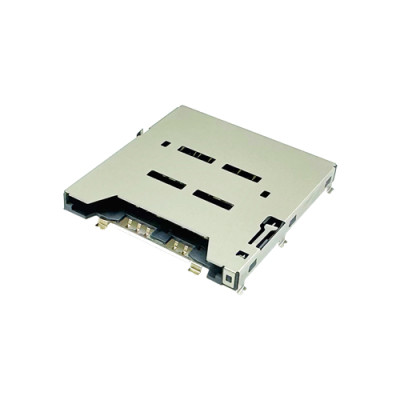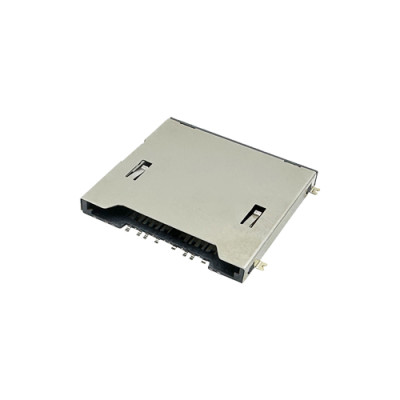
Micro SD Card Socket Design Guide for UAV and Robotics Systems
Choosing Reliable TF Card Connectors for High-Vibration Applications
As UAVs and robotics systems continue to evolve, the demand for reliable onboard data storage is rapidly increasing. From high-resolution aerial imaging to AI processing and telemetry logging, stable data storage plays a critical role in system performance.
Among various storage solutions, Micro SD (TF) card connectors remain widely used due to their compact size, large capacity, and removable storage capability.
However, when integrating TF card connectors into UAV or robotics hardware, engineers must carefully consider PCB layout, signal integrity, mechanical reliability, and environmental durability.

Why UAV and Robotics Systems Still Use Micro SD Storage
Although eMMC and onboard flash are becoming popular, TF card connectors remain a practical storage interface for many embedded systems.
Typical applications include:
• UAV flight data logging
• Aerial video recording
• AI edge computing storage
• Robot navigation logs
• Industrial inspection systems
The main advantages of Micro SD storage include:
• Compact size
• Replaceable memory cards
• High storage capacity
• Low implementation cost
However, UAVs and robots often operate in vibration-intensive and harsh environments, making connector reliability extremely important.
Challenges for TF Card Connectors in UAV and Robotics Systems
Continuous Vibration
Motors and actuators generate constant vibration, which may cause micro disconnections between the card and connector contacts.
Mechanical Shock
Drone landings and robotic movements may create shock loads that affect connection stability.
Electromagnetic Interference
High-speed processors and wireless modules can introduce EMI that affects SD data signals.
Temperature Variations
Outdoor systems often require connectors rated for -40°C to +85°C industrial temperature range.
PCB Layout Guidelines for Micro SD Connectors
Proper PCB design ensures stable operation of Micro SD card interfaces.
Keep Signal Traces Short
SD signals include:
• CMD
• CLK
• DAT0-DAT3
These traces should be kept as short as possible to minimize signal loss and interference.
Maintain Controlled Impedance
For high-speed SD interfaces, traces should typically maintain 50-ohm impedance.
Best practices include:
• Matching trace lengths
• Avoiding unnecessary vias
• Routing signals on the same layer when possible
Use a Solid Ground Plane
A continuous ground plane improves signal return paths and reduces noise.
This is particularly important for high-speed TF card connector designs.
Place the Connector Near the PCB Edge
Locating the Micro SD socket near the PCB edge helps:
• Simplify routing
• Improve accessibility
• Enhance mechanical reliability
Signal Protection and Power Design
ESD Protection
Because TF cards are frequently inserted and removed, adding ESD protection devices such as TVS diodes is recommended.
Power Filtering
Place 0.1μF and 1μF decoupling capacitors close to the VCC pin to stabilize the power supply.
Mechanical Design for High-Vibration Applications
Connector mechanical design plays a crucial role in UAV and robotics reliability.
Common socket types include:
• Push-push mechanism
• Push-pull design
• Hinged socket structure
For high-vibration environments, reinforced push-pull or robust push-push connectors are recommended.
Additional features include:
• Metal shielding
• Reinforced solder tabs
• Anti-vibration structures
Key Specifications When Selecting TF Card Connectors
Engineers should evaluate the following parameters:
Operating temperature
-40°C to +85°C
Insertion life
5,000 – 10,000 cycles
Contact materials
• Copper alloy terminals
• Gold plated contacts
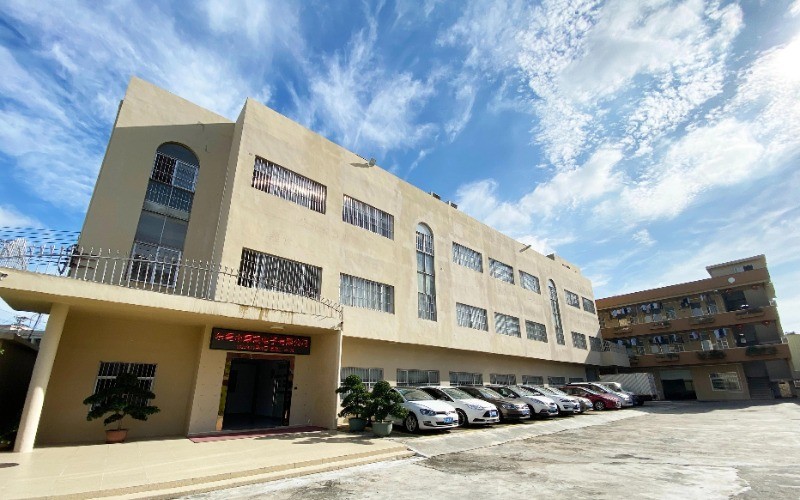
Why Engineers Choose MOARCONN TF Card Connectors
MOARCONN is a professional manufacturer specializing in:
• TF card connectors
• Micro SD card sockets
• SIM card connectors
• Custom card connector solutions
With advanced capabilities including:
• Precision tooling
• Metal stamping
• Injection molding
• Automated assembly
MOARCONN products are widely used in:
• UAV systems
• Industrial robots
• Automotive electronics
• Smart devices
We also provide 3D CAD models, footprint design support, and OEM customization services to help engineers accelerate product development.
TF Card Connector Design Checklist
Before finalizing your design, confirm the following:
Proper SD signal routing
Controlled impedance traces
Solid ground plane
Correct connector placement
ESD protection implemented
Decoupling capacitors added
Industrial-grade connector selected
Conclusion
Reliable storage is essential for modern UAV and robotics systems.
With proper design of TF card connectors and Micro SD sockets, engineers can achieve:
• Stable high-speed data transfer
• Reliable operation under vibration
• Long-term durability
For engineers seeking reliable TF card connector solutions, MOARCONN offers professional products and engineering support for drones, robotics, and embedded electronics.