SIM Card Connector Applications & Best Practices by Device Type
Introduction: Why SIM Card Connectors Still Matter
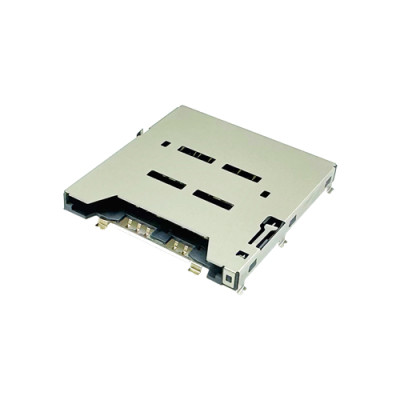
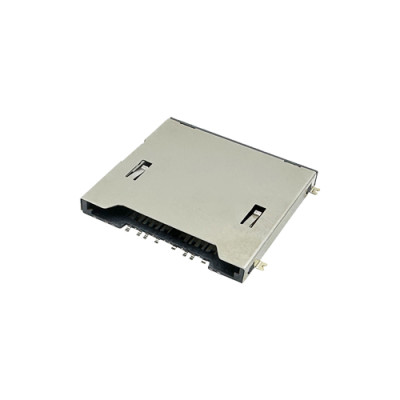
SIM card connectors remain a critical hardware interface in devices that rely on cellular connectivity. From consumer electronics to industrial IoT and automotive systems, choosing the right SIM card connector directly impacts device reliability, user experience, and long-term performance.
Although eSIM adoption is increasing, physical SIM card connectors are still widely used due to their flexibility, replaceability, and proven reliability—especially in harsh or mission-critical environments.
At MoarConn, we specialize in designing and manufacturing high-reliability SIM card connectors for consumer, industrial, and automotive applications, helping customers optimize performance across different device types.
Common Types of SIM Card Connectors
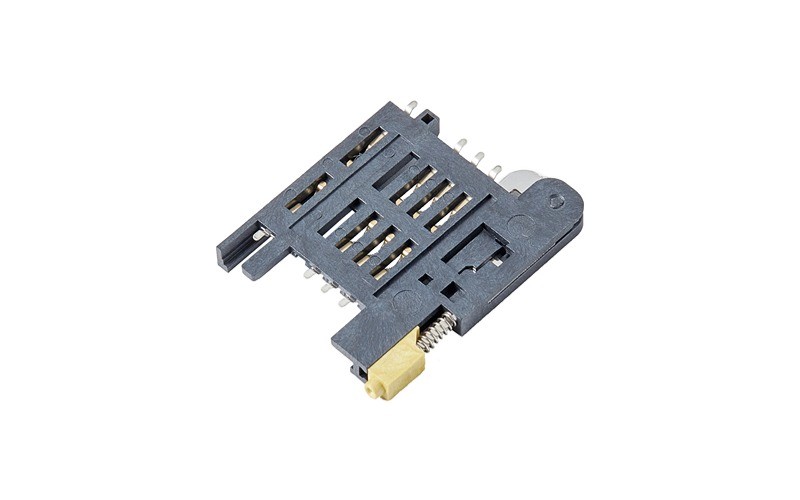
Before selecting a SIM card connector, understanding the most common mechanisms is essential:
Push-Push SIM connectors – Spring-loaded, click-in/click-out operation
Push-Pull SIM connectors – Manual insertion and removal
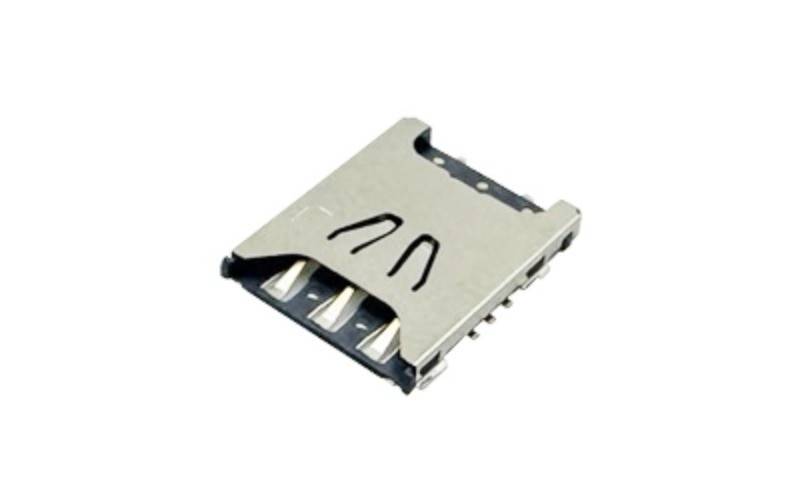
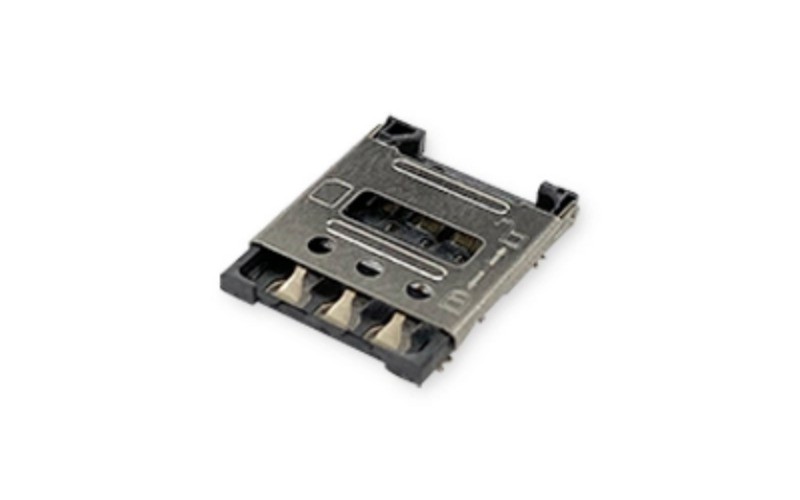
Hinged SIM connectors – Flip-top locking structure
Tray / Block-type SIM connectors – Used in sealed or modular enclosures
Each mechanism serves different design priorities such as space constraints, vibration resistance, and user accessibility.
SIM Card Connector Applications by Device Type
1. Consumer Electronics
– Typical Requirements
Ultra-low profile
Smooth user experience
High insertion accuracy
Compact PCB footprint
– Best Practices
Push-push Nano SIM card connectors are widely used.
Low mating force reduces user damage.
Gold-plated contacts improve signal reliability.
MoarConn provides low-profile Nano SIM connectors designed for slim consumer devices while maintaining high insertion-cycle durability.
2. IoT & Embedded Devices
– Typical Requirements
Long-term stability
Infrequent SIM replacement
Resistance to vibration
Compact yet robust structure
– Best Practices
Push-pull or hinged SIM connectors are preferred.
Card-detect switches help installation validation.
Reinforced housings improve mechanical reliability.
MoarConn offers industrial-grade SIM card connectors tested for long-term contact stability in IoT deployments.
3. Automotive & Telematics Systems
– Typical Requirements
High vibration resistance
Wide temperature range
Secure SIM retention
Long product lifecycle
– Best Practices
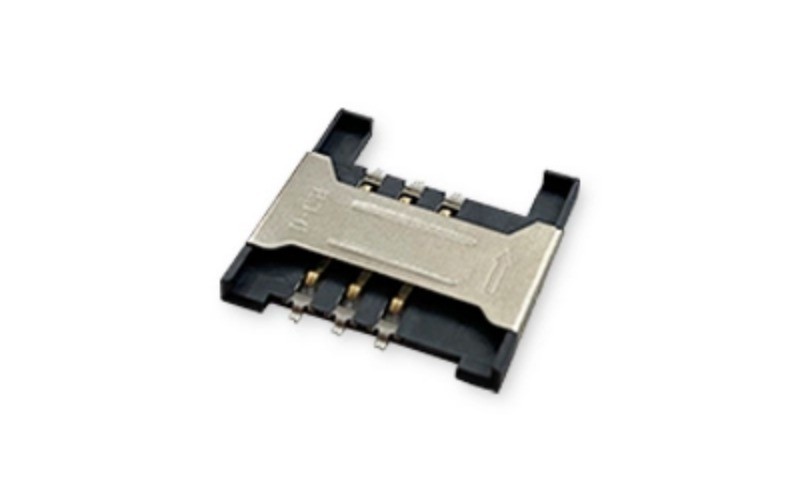
Hinged or reinforced push-pull SIM connectors
Metal shielding and solder tabs
Automotive-grade materials and validation
MoarConn supports automotive SIM card connector solutions designed for vibration-intensive environments.
4. Industrial Equipment & Control Systems
Industrial equipment often prioritizes secure locking, easy maintenance, and resistance to harsh environments. Hinged SIM card connectors provide visual confirmation and prevent accidental SIM loosening during service.
5. Routers, Modems & Networking Devices
Networking devices often use push-push or dual SIM connectors to support redundancy and easy replacement. Stable contact force ensures consistent data transmission.
Key Best Practices for Selecting SIM Card Connectors
SIM size: Mini / Micro / Nano
Insertion mechanism
Insertion cycle rating
Contact plating thickness
Environmental resistance
PCB footprint compatibility
Why Choose MoarConn SIM Card Connectors
MoarConn delivers:
A complete portfolio of SIM card connectors
Engineering-driven design support
Stable quality and manufacturing capability
Custom solutions for different device types
Conclusion
Selecting the right SIM card connector requires matching the connector to the device type, environment, and usage scenario. Following best practices ensures long-term reliability and product success.