SIM Card Connectors: Features, Specifications & Engineering Design Guide
SIM Card Connectors: Features, Specifications & Engineering Design Guide
Comprehensive Technical Insights and Best Practices for Engineers
Introduction
SIM card connectors are essential electromechanical interfaces that enable reliable communication between SIM cards and electronic devices. As cellular connectivity becomes ubiquitous — from smartphones to IoT devices, automotive telematics, and industrial routers — choosing the right SIM card connector is critical for signal integrity, mechanical durability, and long-term reliability.
At Moarconn (www.moarconn.com), we specialize in high-precision interconnect solutions including SIM card connectors designed for demanding engineering applications. This guide aims to help engineers, designers, and technical decision-makers understand the key features, specifications, and engineering considerations that drive correct SIM connector selection and successful product integration.
What Is a SIM Card Connector?
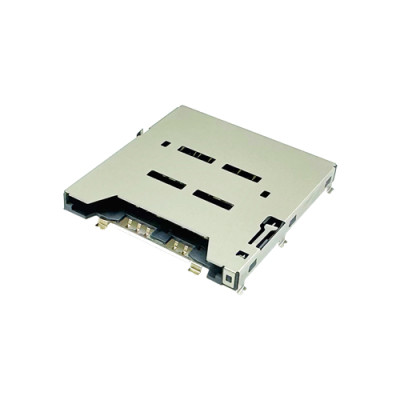
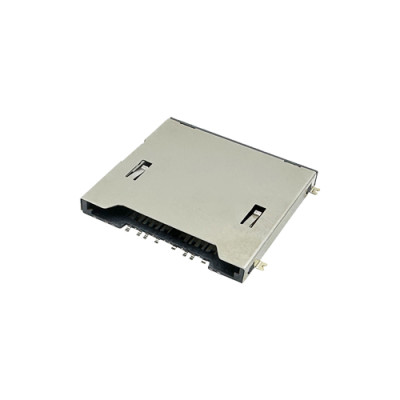
A SIM card connector is a compact electromechanical component that provides electrical and mechanical connection between a SIM card and a device’s printed circuit board (PCB). These connectors must meet tight tolerances, maintain consistent contact pressure, and support repeated insertion/removal cycles without performance degradation.
Key functions include:
Ensuring secure electrical contact to all SIM card pads (VCC, GND, CLK, RST, I/O).
Enabling card insertion and extraction with defined mechanical behavior.
Supporting card detection mechanisms for system control.
Core Features of SIM Card Connectors
1. Mechanical Reliability and Insertion Lifecycle
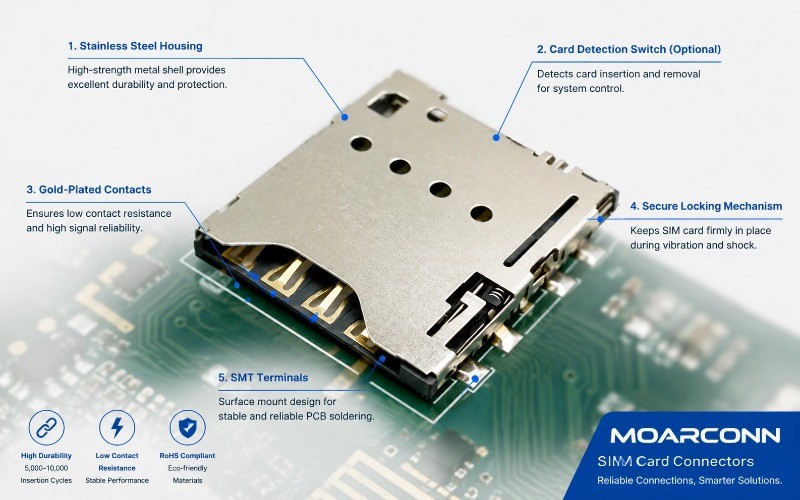
High durability is crucial in engineering applications. Typical SIM card connectors are rated for 5,000 to 10,000 insertion cycles depending on design and materials.
📍 Moarconn’s SIM card connectors are rigorously tested for extended lifecycle and consistent performance across high-usage scenarios.
2. Connector Types & Mechanical Styles
Different connector types serve unique design needs:
Connector Type Characteristics Best For
Push-Pull Manual insert & remove Industrial/Embedded
Push-Push Spring-loaded ejection Consumer devices
Hinged Flip-top retention Vibration-resistant designs
Tray / Drawer Removable tray mechanism Enclosed modules
Moarconn offers a range of connector types to match various form factor, retention force, and lifecycle requirements.
3. Contact Materials and Plating
The performance and longevity of a SIM card connector are significantly influenced by the materials and plating of the contacts:
Gold plating offers superior corrosion resistance and low contact resistance.
Nickel underplating enhances wear resistance and solderability.
Material selection is critical in industrial, outdoor, or high-temperature environments.
At Moarconn, our connectors use optimized material and plating specifications to ensure electrical integrity and environmental resilience.
4. Electrical Specifications and Signal Integrity
Critical electrical specs for SIM connectors include:
Contact Resistance — must remain low and stable across life cycles.
Rated Voltage & Current — compatible with standard SIM cards and low-power interfaces.
ESD Protection — necessary to safeguard against static discharge.
Moarconn engineers recommend integrating proper ESD protection circuits adjacent to the SIM connector to enhance device robustness.
🧩 Engineering Considerations for PCB Integration
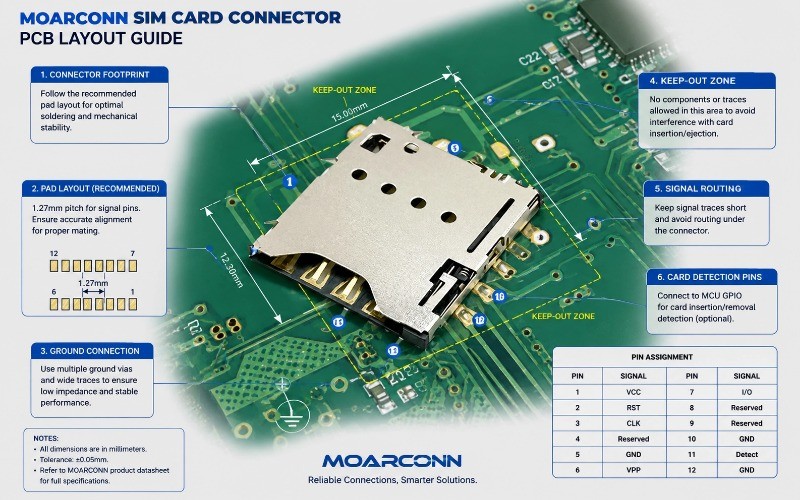
Successful PCB integration requires careful footprint and layout planning:
🔹 Footprint and Pads
Maintain manufacturer-recommended pad geometry to ensure solder reliability.
Include plated slots if specified by connector design.
🔹 Routing and Grounding
Keep traces short between the SIM connector and modem baseband controller.
Ensure solid ground reference and isolation from noisy power circuits.
🔹 Keep-Out Zones
Designate mechanical keep-out zones to prevent component interference with connector operation.
⚙️ Contact Detection & Card Orientation
Modern SIM connectors often include card presence detection switches that signal when a SIM card is inserted or removed. Engineers should:
Verify the pin assignment for the card detect switch.
Ensure the system firmware responds correctly to card insertion events.
Moarconn’s connectors feature robust detection mechanisms optimized for seamless system interactions.
📊 Standard Compliance and Industry Requirements
Most SIM connectors adhere to ISO/IEC 7816 and other relevant telecommunication standards to ensure cross-platform compatibility and reliability.
When evaluating connectors, consider:
Regulatory compliance (e.g., RoHS, REACH).
Mechanical and electrical performance benchmarks referenced in datasheets.
Moarconn provides detailed specification sheets to help engineers validate requirements early in the design cycle.
🧪 Environmental & Application Considerations
Different applications impose unique stresses on SIM card connectors:
Scenario Key Concern
Automotive Telematics Vibration & temperature extremes
Industrial IoT Dust, moisture, ESD
Consumer Electronics User ergonomics and insertion feel
Moarconn engineers can support customization services — such as modified contact profiles, reinforced springs, or sealing enhancements — to meet specific use case demands.
🔎 Why Choose Moarconn SIM Card Connectors
Moarconn’s SIM connector portfolio is engineered to meet the evolving demands of modern electronics:
✅ High longevity and stable electrical performance
✅ Multiple form factors and mechanical styles
✅ Optimized for harsh environments and high-cycle usage
✅ Full datasheets and engineering support available at www.moarconn.com
🧠 Conclusion
Choosing the right SIM card connector is a vital engineering decision that impacts reliability, manufacturability, and end-product performance. With comprehensive technical understanding and quality design — especially when backed by a partner like Moarconn — engineers can ensure optimal connectivity in any application.
Explore more about SIM connectors and other interconnect solutions at » www.moarconn.com