SIM Card Connectors Reliability Guide: Insertion Life, Durability & Environmental Performance
SIM Card Connectors Reliability Guide: Insertion Life, Durability & Environmental Performance
Optimized for SEO + Engineer-Focused Insights
📌 Introduction: Why Reliability Matters in SIM Card Connectors
SIM Card Connectors are critical components in mobile devices, IoT systems, telematics modules, and industrial communication hardware. While many engineers are familiar with the basic function of SIM connectors, reliability — including insertion life, mechanical durability, and environmental performance — is often the decisive factor in product success.
At MoarConn (www.moarconn.com), we combine decades of engineering experience with rigorous testing standards to deliver SIM Card Connectors that not only meet but exceed industry expectations.
🧠 What Are SIM Card Connectors?
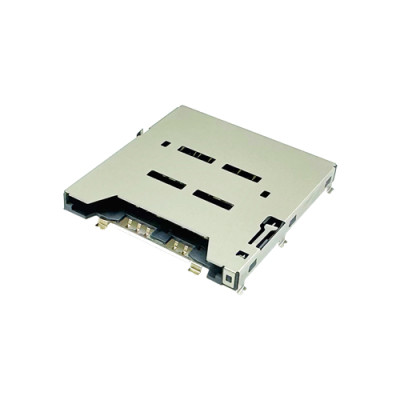
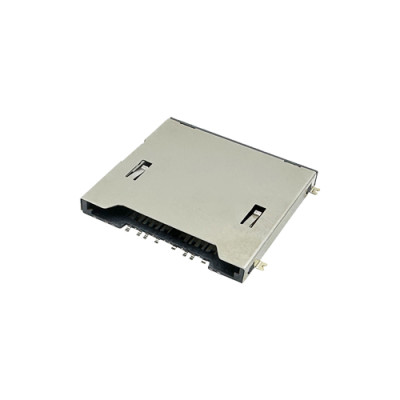
SIM Card Connectors provide mechanical and electrical interfaces between a SIM card and a system’s communication circuitry. They ensure stable contact under vibration, temperature variation, and repeated usage cycles — especially important for rugged, automotive, and industrial applications.
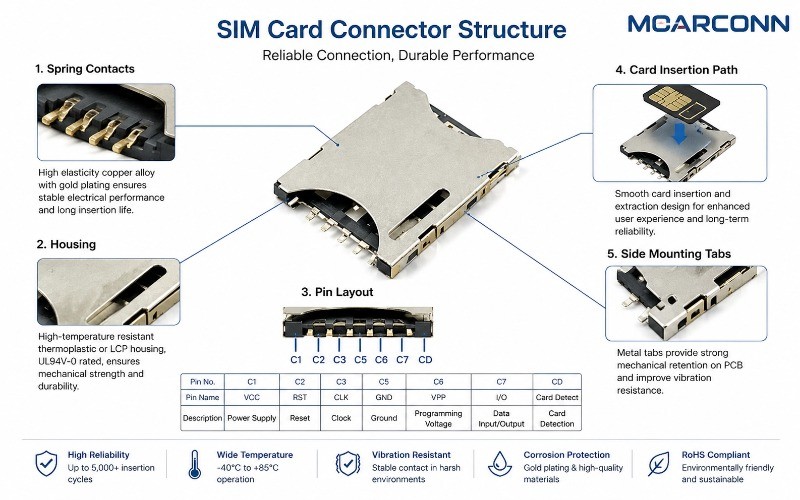
⚡ Note: For a visual breakdown, see image prompt below.
📊 Insertion Life: Understanding Mating Cycles
What Does “Insertion Life” Mean?
Insertion life refers to the number of times a connector can be inserted and removed before performance degradation. This metric directly influences long-term reliability and lifecycle expectations.
Industry reference data shows typical values ranging from approximately 1,500 cycles (consumer grade) to 10,000+ cycles (industrial or premium grade). High insertion life is essential for applications where SIM modules may be frequently swapped or serviced.
Reference: GCT – SIM Card Connector Durability and MoarConn data explain how connector design affects repeated use performance.
You can learn more about typical lifecycle numbers here:
➡️ https://www.moarconn.com/f752803/What-is-the-typical-insertion-and-removal-lifespan-of-a-SIM-card-connector-Does-it-affect-long-term.htm
🛠️ Mechanical Durability: Design & Engineering Considerations
Mechanical strength and precision are key to connector durability:
Spring Contact Quality: High-elasticity contacts ensure consistent pressure and connectivity over repeated cycles.
Material Selection: Preferred alloys and plating (e.g. nickel underplate + gold overlay) reduce wear and corrosion.
Structure Type: Different mechanisms (Push-Push, Push-Pull, Hinged) influence long-term reliability.
📌 MoarConn’s Engineering Advantage:
Each SIM Card Connector from MoarConn undergoes semiconductor-grade molding, high-precision stamping, and controlled plating processes to maximize mechanical life and minimize failure risk.
🧪 Environmental Performance: From Heat to Humidity
SIM Card Connectors must perform in real-world environments:
🔹 Temperature Extremes
Connectors are tested across wide temperature ranges to ensure consistent electrical performance and mechanical stability.
Common qualification tests include thermal cycling and high/low temperature shock.
🔹 Vibration & Shock
Automotive and industrial systems subject connectors to mechanical stress. Proper design minimizes contact bounce and signal disruption.
🔹 Moisture & Corrosion Resistance
Ingress protection and anti-corrosion plating standards help ensure durability in humid or harsh environments.
Reference: MoarConn Reliability Testing Standards
✔ Industry standards such as IEC, EIA-364, and custom test regimes validate environmental performance. See more here:
➡️ https://www.moarconn.com/blog/Durability-Reliability-of-SIM-Card-Connectors-Testing-and-Industry-Standards_b9727
📈 How Reliability Impacts System Performance
SIM connector reliability has a cascade effect:
🔸 Data Integrity & Signal Stability
Repeated cycles and vibration can lead to intermittent contacts if not properly designed.
🔸 System Downtime & Maintenance Costs
Unreliable connectors escalate service calls and field failures.
🔸 Long-Term Product Reputation
Reliable products cultivate trust in enterprise, automotive, and industrial markets.
🧩 Real-World Applications: Industrial & Automotive Usage
MoarConn connectors are engineered to meet rugged application requirements, such as:
Telematics Units
Vehicle Diagnostics Modules
Energy Meters
Remote Communication Devices
IoT Gateways
In these environments, reliability isn’t optional — it’s mandatory. Our connectors undergo prolonged environmental stress tests to ensure decades of dependable service.
🧾 MoarConn’s Technical Quality Assurance
At MoarConn, we maintain a comprehensive QA process including:
✅ Precision stamping and spring durability control
✅ Contact resistance verification per industry standards
✅ Thermal shock and vibration certification
✅ Extended insertion life validation
Our process ensures that every SIM connector we ship is optimized for longevity and performance.
🔍 Choosing the Right SIM Card Connector: An Engineering Checklist
Factor What's Important
Mating Cycles ≥ 5,000 for industrial; ≥ 10,000 for heavy-duty
Contact Material Gold-over-nickel for corrosion resistance
Operating Temp Wide range to cover −40°C to +85°C
Shock/Vibration Tolerance Certified per EIA and IEC standards
Tip: When selecting connectors, always seek datasheets with detailed test conditions and performance specs.
📸 Summary & Recommendations
Reliable SIM Card Connectors are more than just mechanical interfaces — they are integral to product longevity and performance stability. From insertion life to environmental resilience, every design detail impacts end-use success.
Whether you are developing rugged industrial hardware or next-generation IoT devices, choosing connectors backed by strong engineering and reliable testing (like those from MoarConn) makes all the difference.