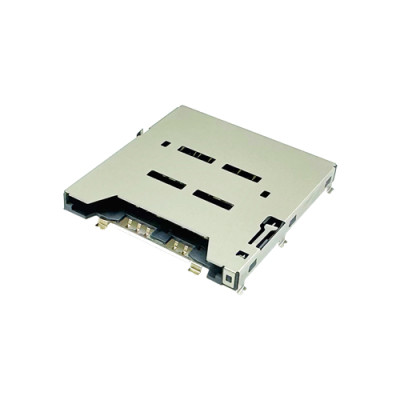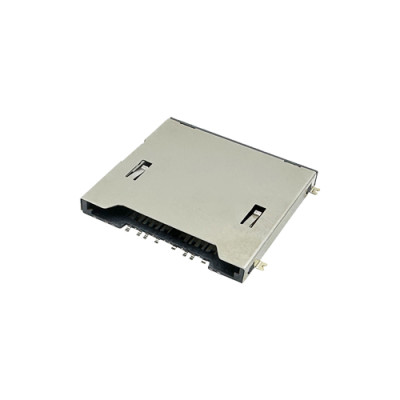
The Complete Guide to RoHS, REACH, and Halogen-Free Standards for SD Card Connectors
Introduction
With increasingly strict environmental regulations, SD card connectors must comply with RoHS, REACH, and halogen-free standards.
For OEMs, engineers, and buyers, compliance is essential for market access, product safety, and brand credibility.
This guide explains these standards and helps you choose a reliable supplier.
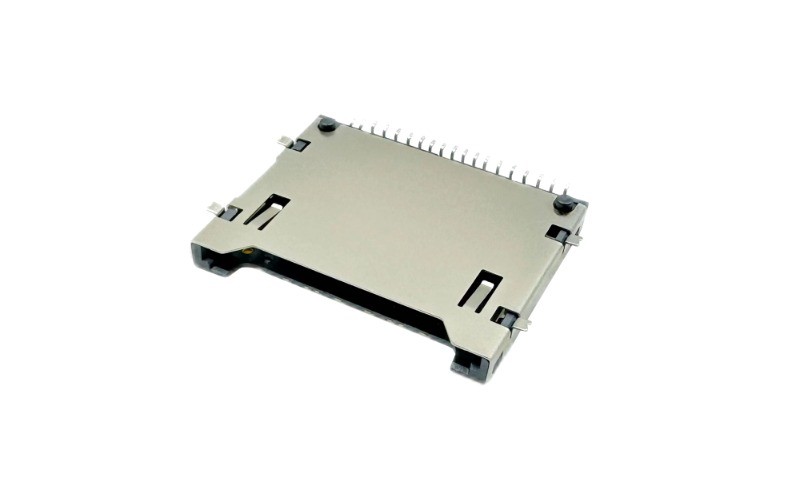
What Is RoHS and Why It Matters
RoHS restricts hazardous substances in electronic products.
Restricted Substances:
• Lead, Mercury, Cadmium
• Hexavalent Chromium
• PBB, PBDE
• Phthalates
Limits:
• 0.1% (most substances)
• 0.01% (Cadmium)
Impact on Connectors:
• Plating materials
• Plastic housing
• Soldering
What Is REACH
REACH regulates chemical substances.
Key Concept: SVHC
• Disclosure required above 0.1%
Impact:
• Supply chain transparency
• Material traceability
What Is Halogen-Free
Halogen-free materials reduce toxic emissions during combustion.
Limits:
• Cl ≤ 900 ppm
• Br ≤ 900 ppm
• Total ≤ 1500 ppm
Benefits:
• Low smoke
• Safer for enclosed environments
• Eco-friendly
Key Differences
RoHS = restriction
REACH = chemical management
Halogen-Free = safety material standard
Most connectors require all three.
Why Material-Level Compliance Matters
Each part must comply:
• Metal terminals
• Plating
• Plastic housing

MOARCONN Compliance Advantage
MOARCONN provides:
• RoHS & REACH compliant connectors
• Halogen-free solutions
• Strong supply chain control
• Precision manufacturing
• Reliable certification support
Applications
• Automotive
• IoT
• Industrial
• Consumer electronics
Conclusion
Understanding environmental standards ensures safer and globally compliant SD card connectors.