SIM Card Connector Durability: Insertion Cycles, Contact Wear, and Testing Standards
Why SIM Card Connector Durability Determines Product Lifespan
In any cellular-connected device — from a smart meter deployed in the field to a handheld diagnostic terminal on a factory floor — the SIM card connector is a mechanical component subjected to repeated use. Unlike semiconductor components that operate without moving parts, connector contacts experience physical wear every time a SIM card is inserted or removed. Understanding durability is not optional for engineers designing products that must function reliably over years of service.
This article explains the engineering principles behind SIM card connector durability, including insertion cycle ratings, contact wear mechanisms, industry testing standards, material selection factors, and practical guidance for specifying long-life connectors in IoT, automotive, and industrial applications.

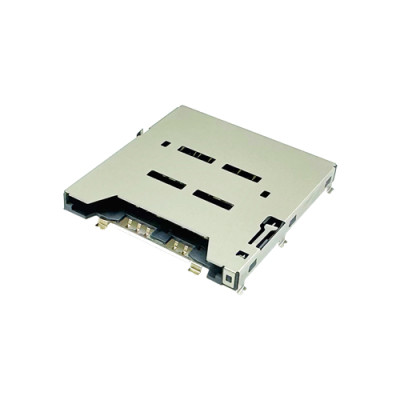
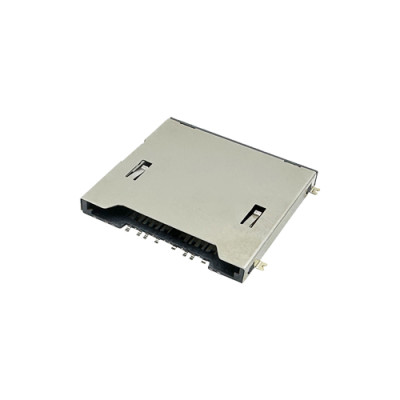
SIM card connector reliability depends on contact design, material selection, and environmental factors
Insertion Cycles: The Primary Durability Metric
The most commonly cited durability specification for SIM card connectors is the insertion cycle rating — the number of times a SIM card can be inserted and removed while the connector remains within electrical and mechanical specification. This rating is established through standardized mechanical endurance testing.
What Typical Ratings Mean
Consumer-grade SIM card connectors are generally rated for 5,000 to 10,000 cycles. Industrial and automotive-grade connectors may target 10,000 cycles or higher. The rating reflects the number of cycles after which critical parameters — contact resistance, insertion force, and retention force — remain within acceptable limits.
Important note: An insertion cycle count is not a guarantee of failure at that number. It is the number of cycles the manufacturer certifies the connector will meet its specified performance criteria. The actual useful life may be significantly longer in benign environments or shorter under harsh conditions.
Design Impact of Insertion Cycle Ratings
For devices that require only one SIM card insertion during manufacturing (e.g., fixed IoT gateways), a 5,000-cycle rated connector provides enormous margin. For devices where users frequently swap SIM cards (e.g., field diagnostic tools or multi-network routers), a higher cycle rating becomes a real product differentiator. Match the rating to the actual use case rather than overspecifying blindly.
Contact Wear Mechanisms in SIM Card Connectors
Understanding how connectors wear is essential for designing reliable products and troubleshooting field failures. Several distinct wear mechanisms affect SIM card connector contacts:
Fretting Corrosion
Fretting corrosion occurs when microscopic relative motion between mated contact surfaces — caused by vibration or thermal cycling — gradually wears away the protective plating layer. Exposed base metal oxidizes, increasing contact resistance and potentially causing intermittent connectivity. This is one of the most common failure modes in connectors subjected to vibration, such as those in automotive or industrial environments.
Plating Abrasion
Each SIM card insertion slides the card's contact pads against the connector's spring contacts. Over thousands of cycles, this abrasive action wears the contact plating. The wear rate depends on the plating material, plating thickness, contact normal force, and the surface finish of both the SIM card pads and the connector contacts.
Stress Relaxation
The spring contacts inside a SIM card connector are designed to exert a specific normal force on the SIM card pads. Over time and at elevated temperatures, the spring material may undergo stress relaxation — a gradual reduction in spring force. Reduced normal force leads to higher and less stable contact resistance. Material selection (phosphor bronze, beryllium copper) and heat treatment significantly affect stress relaxation performance.
Environmental Degradation
Humidity, temperature cycling, corrosive gases (sulfur, chlorine), and dust ingress all accelerate contact degradation. Connectors used in outdoor or industrial environments require additional protection, including enhanced plating thickness, sealed connector designs, and conformal coating on adjacent PCB areas.
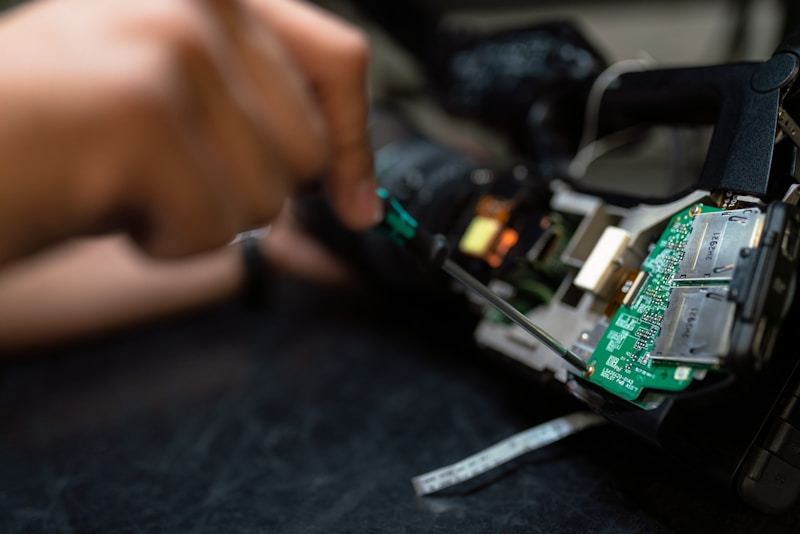
Laboratory testing equipment used for connector mechanical endurance and environmental stress testing
Industry Testing Standards for SIM Card Connector Durability
SIM card connector durability is evaluated using several internationally recognized testing standards. Understanding these standards helps engineers evaluate manufacturer data sheets and specify appropriate test requirements for their application.
IEC 60512 — Electromechanical Component Testing
This is the primary standard for connector testing. Key test procedures relevant to durability include:
- Test 6a (IEC 60512-6-1): Measurement of insertion and withdrawal forces — verifies that insertion force is low enough for usability and that withdrawal (retention) force is high enough to keep the SIM card engaged during shock and vibration.
- Test 6d (IEC 60512-6-4): Mechanical endurance test — the connector is subjected to repeated insertion/removal cycles with periodic measurement of contact resistance.
- Test 8a (IEC 60512-8-1): Static load test on fixed contacts and terminals.
EIA-364 — Electrical Connector Test Procedures
The Electronic Industries Alliance standard provides comprehensive test procedures widely adopted in the connector industry:
- EIA-364-09: Durability test for electrical connectors — defines the cycle count and acceptable end-of-life criteria.
- EIA-364-23: Low-level contact resistance test — critical for detecting plating wear before visible failure occurs.
- EIA-364-28: Vibration test for electrical connectors.
- EIA-364-31: Humidity test for connector durability evaluation.
IEC 60068 — Environmental Testing
Environmental testing standards that apply to connector durability evaluation include thermal cycling (IEC 60068-2-14), damp heat steady state (IEC 60068-2-78), and vibration (IEC 60068-2-6). These tests simulate the environmental stresses a connector will experience during its service life.
Factors That Influence SIM Card Connector Durability
Several design and material choices directly affect how long a SIM card connector maintains reliable performance:
Contact Plating
Gold plating (0.1–0.76 µm) provides the best corrosion resistance and lowest contact resistance. Thicker gold over palladium-nickel underplating offers the highest durability for demanding applications. Tin plating is cost-effective but more susceptible to fretting corrosion.
Contact Normal Force
Higher normal force improves contact reliability by penetrating surface films, but increases wear and insertion force. Designers must balance these trade-offs. Typical normal force per contact ranges from 0.3 N to 1.0 N for SIM card connectors.
Housing Material
LCP (Liquid Crystal Polymer) is preferred for SIM connectors due to its high-temperature resistance (suitable for lead-free reflow soldering), dimensional stability, and low moisture absorption. Nylon is a lower-cost alternative but absorbs more moisture.
Ejection Mechanism
Push-push mechanisms have more moving parts and higher overall wear potential than push-pull or hinge types. Tray-based designs protect contacts by eliminating sliding wear between the SIM card and contacts during insertion.
Operating Environment
Temperature extremes, humidity, vibration, and corrosive atmospheres all accelerate connector wear. Automotive and industrial applications typically require connectors rated for -40°C to +85°C or wider temperature ranges.
PCB Mounting Method
SMT connectors offer better solder joint reliability under vibration compared to DIP connectors, due to shorter lever arms and lower stress concentrations. Additional mechanical anchoring via shell solder tabs improves durability.
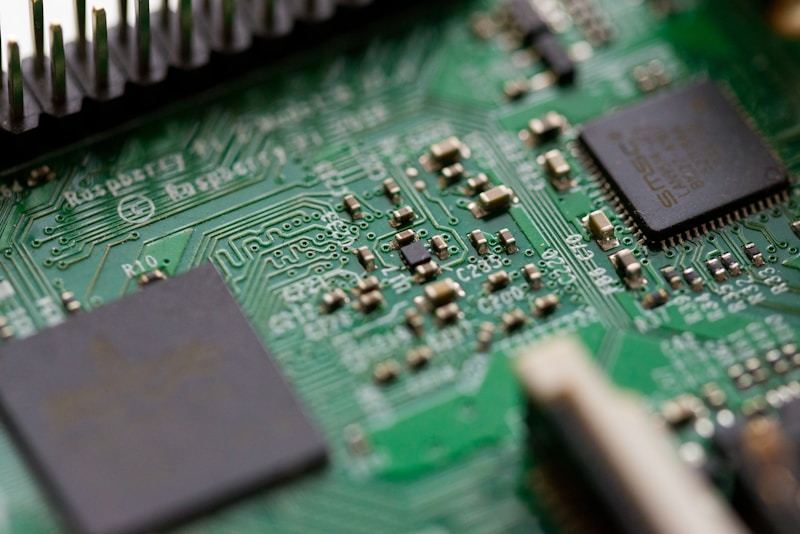
SMT and DIP SIM card connector mounting styles affect mechanical durability and solder joint reliability
Selecting Durable SIM Card Connectors for Your Application
When evaluating SIM card connectors for a durability-sensitive design, consider the following approach:
- Define the use scenario: How many insertion cycles will the connector see over its lifetime? Who performs the insertion (factory vs. end user)? What environmental conditions will the device face?
- Review manufacturer test data: Request mechanical endurance test reports, contact resistance stability data, and environmental test results. Ensure testing follows recognized standards (IEC 60512, EIA-364).
- Evaluate material and plating: Confirm contact plating material and thickness. For high-reliability applications, prefer gold plating over palladium-nickel underplate.
- Request samples for validation: Run your own accelerated life testing under application-specific conditions. This is especially important for automotive and industrial designs where field failure costs are high.
- Consider customization: Many manufacturers, including MOARCONN, offer customized SIM card connector solutions with specific material, plating, and dimensional options to match application requirements.
For a deeper understanding of SIM card connector selection, read our guide on How to Choose a SIM Card Connector for IoT Devices. For PCB design guidance, see SIM Card Connector PCB Layout: Design Rules, Keep-Out Zones, and Routing Guidelines.
Frequently Asked Questions
What is a typical SIM card connector insertion cycle rating?
Consumer-grade SIM card connectors are typically rated for 5,000 to 10,000 insertion/removal cycles. Industrial and automotive-grade connectors may be rated for 10,000 to 20,000 cycles. Actual ratings vary by manufacturer design, materials, and plating. 【需要人工确认:MOARCONN SIM卡连接器的具体插拔寿命等级】
What causes SIM card connector contact wear?
Contact wear is primarily caused by fretting corrosion (micro-motion between contact surfaces), plating abrasion during card insertion, oxidation of exposed base metals after plating wear, and stress relaxation of the contact spring over time. Environmental factors such as vibration, humidity, and temperature cycling accelerate these mechanisms.
Which standards govern SIM card connector durability testing?
The key standards include IEC 60512 (electromechanical components testing), EIA-364 (electrical connector test procedures), and IEC 60068 (environmental testing). Specific tests cover insertion/withdrawal force, contact resistance stability, mechanical endurance (cycle testing), and environmental stress screening.
How does contact plating affect SIM connector durability?
Contact plating is one of the most critical factors. Gold plating (typically 0.1 to 0.76 µm) offers excellent corrosion resistance and low contact resistance. Tin plating is more economical but prone to fretting corrosion. Palladium-nickel underplating with gold flash is common in high-reliability connectors. MOARCONN offers customizable plating options including gold, bright tin, and matte tin.
What materials are used in durable SIM card connectors?
Durable SIM card connectors typically use LCP or nylon for the insulating housing, phosphor bronze for terminals, and stainless steel for shells. MOARCONN uses these industry-standard materials in their SIM card connector products, with material customization available.
How can engineers verify SIM connector durability during product development?
Engineers can perform accelerated life testing including mechanical endurance testing (repeated insertion/removal cycles with periodic contact resistance measurement), vibration testing, thermal cycling (-40°C to +85°C for automotive applications), and humidity exposure testing. Partnering with manufacturers who provide comprehensive test data and sample validation services is recommended. MOARCONN offers technical support throughout the development process.
Conclusion
SIM card connector durability is a multidimensional engineering consideration that extends well beyond a simple cycle count. Contact wear mechanisms, material and plating choices, environmental factors, and adherence to recognized testing standards all determine whether a connector will perform reliably over the intended product lifespan.
By understanding insertion cycle ratings in context, specifying appropriate testing standards, and evaluating material quality, engineers can select SIM card connectors that match their application requirements without over-engineering or underestimating real-world stress conditions.
MOARCONN specializes in SIM card connector design and manufacturing with over 20 years of industry experience. With customizable material, plating, and dimensional options — including height ranges from 1.10 mm to 3.10 mm — we support engineers across IoT, automotive, industrial, and consumer electronics applications. For detailed specifications and custom requirements, contact our engineering team.