Introduction: Why SIM Card Connectors Still Matter in Automotive Applications
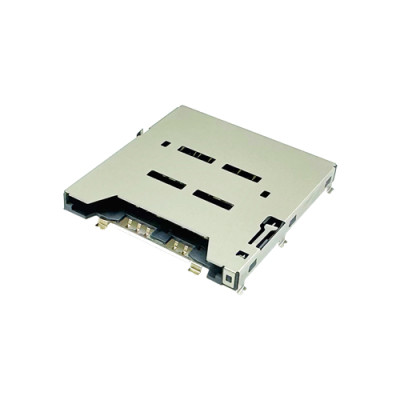
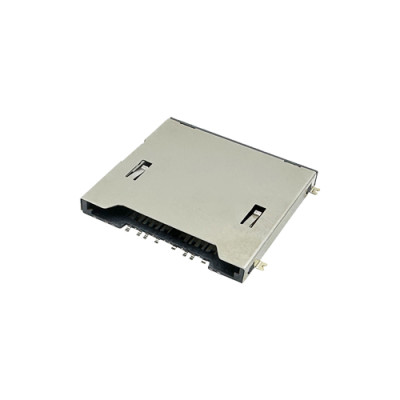
As vehicles rapidly evolve toward full connectivity, SIM card connectors remain a critical hardware interface enabling reliable cellular communication between vehicles and mobile networks.
From telematics control units (TCUs) to infotainment systems and emergency call modules, automotive SIM card connectors continue to play a foundational role.
Global Automotive SIM Card Connector Market Overview
According to multiple market research reports, the global SIM card connector market shows steady growth, driven by connected vehicles, telematics, and automotive IoT adoption.
Automotive applications remain one of the most stable demand segments, even as consumer electronics gradually adopt eSIM.
Key Market Drivers
Connected vehicles & telematics systems
eCall / emergency communication regulations
OTA updates & fleet management
Key Trends Shaping the Automotive SIM Card Connector Market
1. Automotive-Grade SIM Card Connectors Remain Essential
Despite the rise of eSIM, many OEMs and Tier-1 suppliers continue to specify physical SIM card connectors for flexibility, serviceability, and long-term reliability.
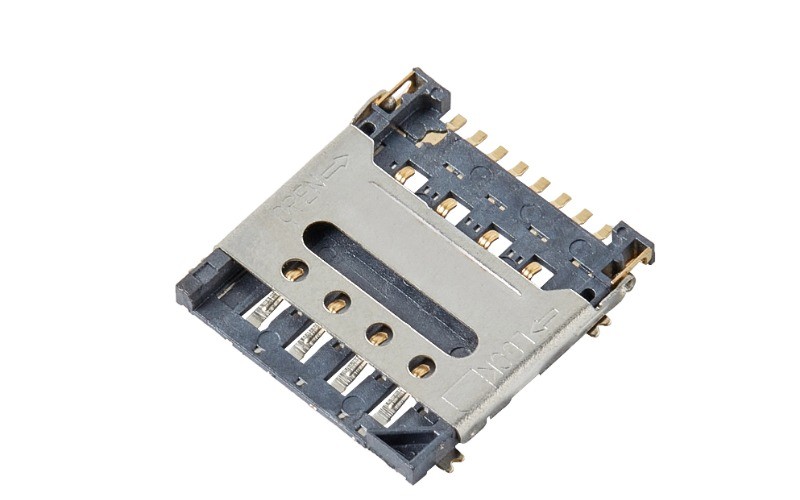
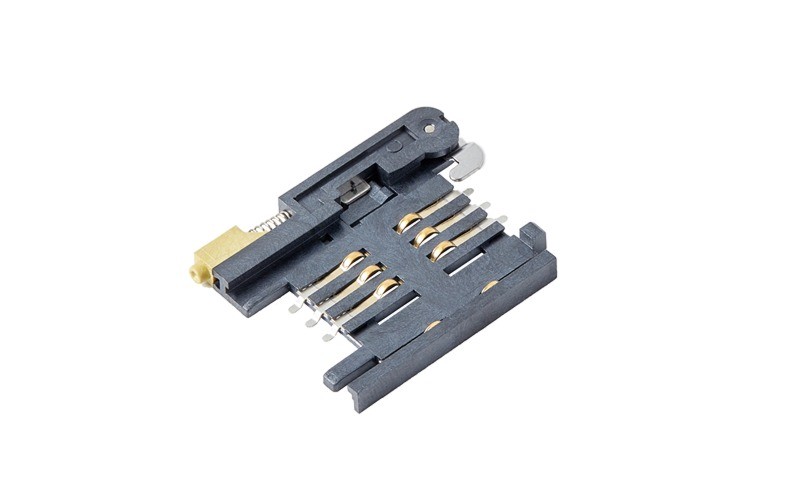
Automotive SIM card connectors are increasingly designed with reinforced metal shells, high-retention contacts, and vibration-resistant structures.
2. eSIM Growth Creates Hybrid Architectures
Market studies indicate strong growth in automotive eSIM, especially in premium vehicles.
However, in many platforms, SIM card connectors and eSIM coexist, allowing manufacturers to balance cost, coverage, and lifecycle management.
3. Shift Toward Nano SIM and Compact Designs
Space-constrained ECUs drive demand for Nano SIM connectors, low-profile SMT designs, and integrated shielding.
Manufacturers with strong precision stamping and molding capabilities gain clear advantages.
Major Challenges Facing the Automotive SIM Card Connector Industry
Mechanical & Environmental Reliability
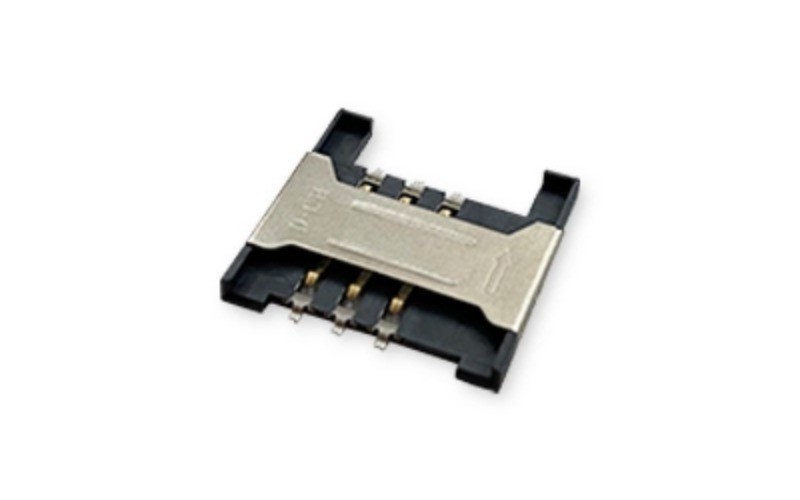
Automotive SIM card connectors must withstand vibration, temperature extremes, and long service lifecycles.
Any intermittent contact can result in connectivity loss or system failure.
Cost Pressure and Standardization
OEMs demand automotive-grade performance at competitive cost, forcing suppliers to optimize manufacturing without compromising quality.
Future Outlook: What’s Next for SIM Card Connectors in Automotive?
SIM card connectors will not disappear overnight. Instead, their role will evolve alongside eSIM.
They will remain widely used in fleet vehicles, commercial platforms, aftermarket devices, and cost-sensitive automotive systems.
Why OEMs Choose Moarconn for Automotive SIM Card Connectors
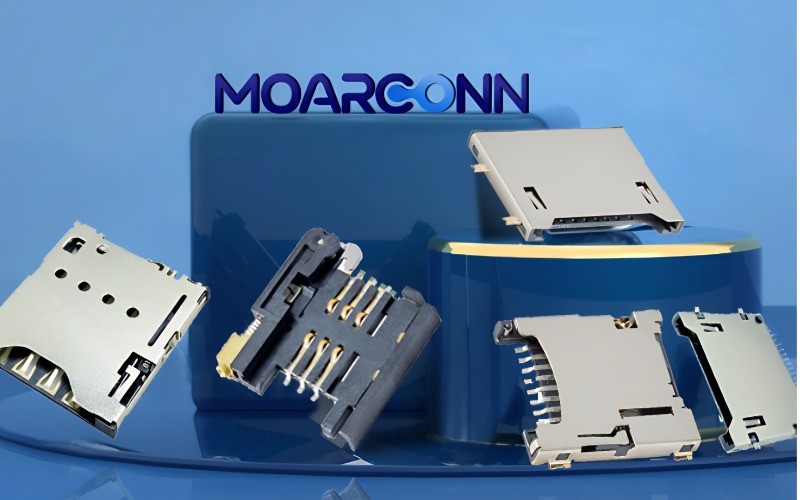
Moarconn (www.moarconn.com) is a professional manufacturer specializing in SIM card connectors and card socket solutions for automotive and industrial applications.
Key strengths include:
Automotive-grade SIM card connector designs
In-house precision stamping, injection molding, and assembly
Support for Nano SIM, Micro SIM, and custom designs
Stable mass-production capability and quality control
Conclusion
Even as connectivity technologies evolve, SIM card connectors remain a key enabler of automotive connectivity today.
Choosing an experienced supplier like Moarconn ensures stable performance now and flexibility for future platforms.