Key SD Memory Connector Selection Criteria for Industrial & Automotive Applications
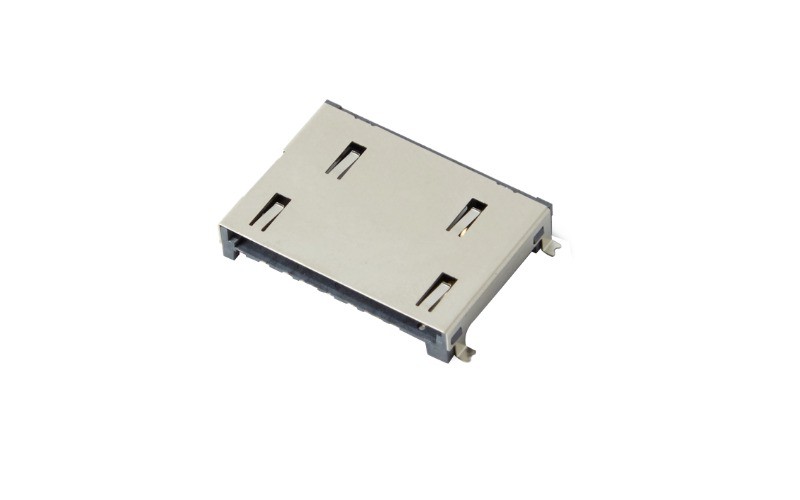
Introduction: Why SD Memory Connectors Matter in Harsh Environments
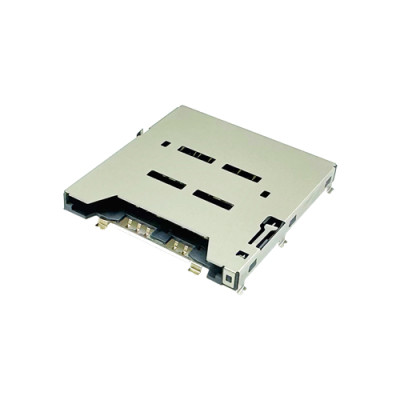
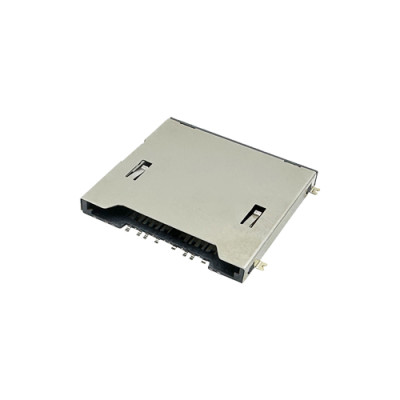
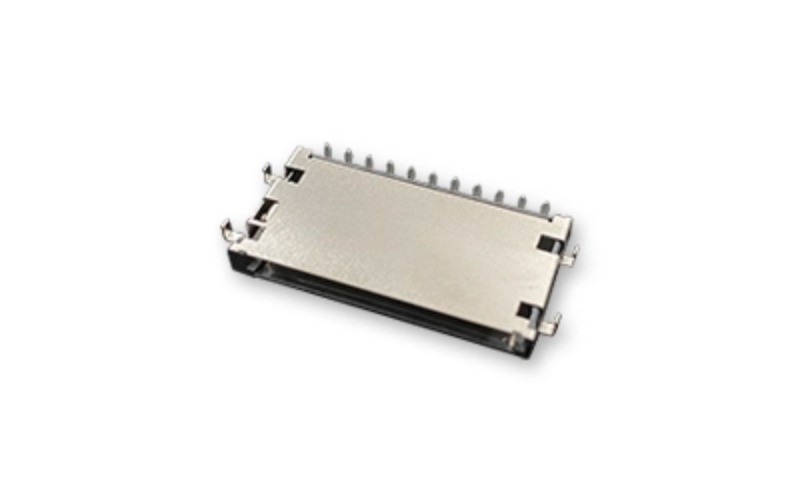
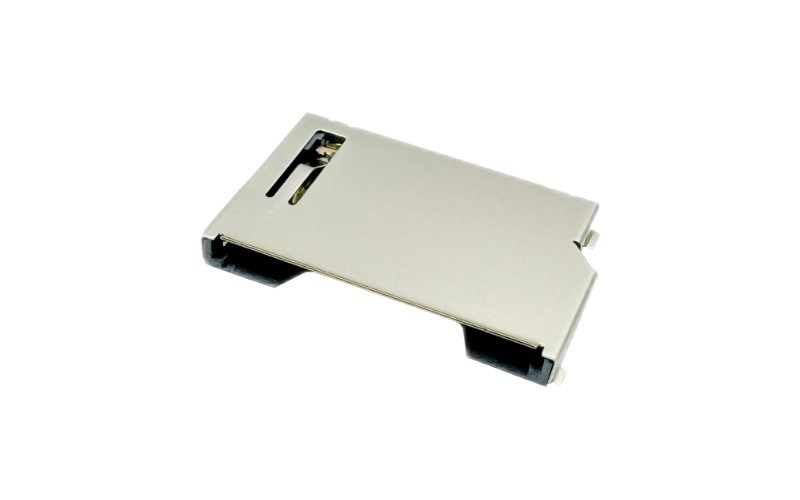
SD memory connectors are widely used in industrial control systems, automotive infotainment units, data loggers, and embedded computing platforms.
Compared with consumer electronics, industrial and automotive applications place much higher demands on reliability, durability, and environmental resistance.
Choosing the right SD memory connector directly affects data integrity, system stability, and product lifetime.
At Moarconn, we focus on designing and manufacturing high-reliability SD memory connectors for industrial and automotive customers worldwide.
1. Mechanical Reliability: Resistance to Vibration & Shock
In automotive and industrial environments, connectors must withstand continuous vibration and occasional mechanical shock.
Poor mechanical design can result in intermittent contact, card loosening, or data transmission failure.
Key selection criteria include:
Reinforced metal shell for structural stability
Secure card retention mechanisms (push-push or push-pull)
Multiple grounding points to strengthen PCB fixation
Leading manufacturers such as JAE emphasize locking structures and reinforced housings to ensure stable card contact in high-vibration environments.
Moarconn Advantage:
Moarconn SD memory connectors feature robust metal shielding and optimized solder tabs, significantly improving vibration resistance and mechanical stability.

2. Electrical Performance & High-Speed Data Integrity
Industrial and automotive systems increasingly require high-speed data transfer for data logging, system updates, and multimedia processing.
Key electrical considerations include:
Support for UHS-I / UHS-II interfaces
Low and stable contact resistance
Effective EMI shielding
According to Amphenol and JAE references, connector contact design and shielding play a critical role in maintaining signal integrity.
Moarconn Advantage:
Moarconn connectors use precision-stamped, gold-plated contacts, ensuring reliable electrical performance throughout the product lifecycle.
3. Environmental Durability: Temperature, Dust & Aging
Automotive and industrial electronics often operate in extreme temperature ranges from -40°C to +105°C.
Selection criteria include:
Wide operating temperature range
Heat-resistant and aging-resistant materials
Protection against dust and contamination
Amphenol highlights automotive-grade material selection and durability testing as essential for vehicle electronics.
Moarconn Advantage:
Moarconn SD memory connectors are manufactured using high-temperature thermoplastics and corrosion-resistant metals, suitable for harsh operating environments.
4. Insertion Life & Long-Term Reliability
Frequent SD card insertion and removal is common in industrial maintenance and data retrieval processes.
Key requirements include:
≥10,000 insertion cycles
Stable spring force and contact elasticity
Wear-resistant plating
Moarconn Advantage:
Moarconn SD memory connectors are tested under real-world mechanical stress to ensure long insertion life and consistent contact performance.
5. PCB Integration & Manufacturing Compatibility
A well-designed SD memory connector should integrate seamlessly into automated SMT assembly.
Important factors include:
SMT-compatible design
Stable coplanarity for reflow soldering
Clear mechanical datum for PCB layout
Moarconn Advantage:
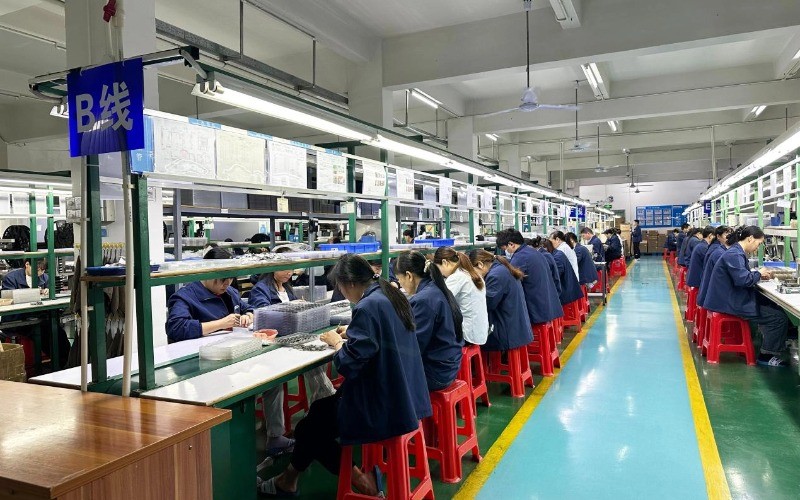
As both a designer and manufacturer, Moarconn provides optimized footprints, assembly guidance, and mass-production support.
Why Choose Moarconn for SD Memory Connectors?
Moarconn provides a complete portfolio of SD memory connectors for industrial and automotive applications, backed by engineering expertise and manufacturing capability.
Learn more at www.moarconn.com
Conclusion
Selecting the right SD memory connector requires evaluating mechanical strength, electrical performance, environmental durability, insertion life, and manufacturing compatibility.
Partnering with an experienced supplier like Moarconn helps ensure long-term reliability and product success.