
Home / All / FAQ for Client Services / What is the difference between a Nano SIM connector and an eSIM?
What is the difference between a Nano SIM connector and an eSIM?
Short answer
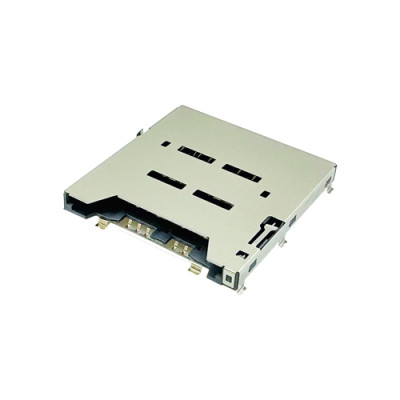
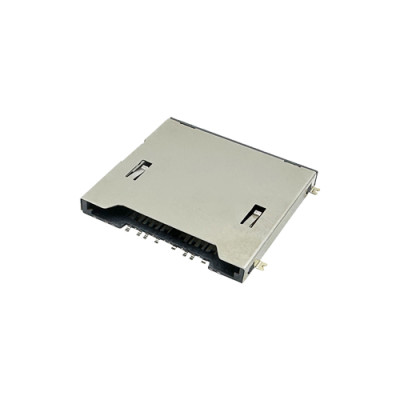
A Nano SIM connector is a socket: it holds the removable 4FF card (12.3 × 8.8 mm, 0.67 mm thick) and lets you swap or replace the card in the field. An eSIM is not a connector at all — it is an MFF2 chip soldered directly to the board, typically 5 × 6 mm, with no moving parts and no slot.
Trade-offs
- Card management — the socket allows physical swap and local diagnostics; the eSIM is provisioned remotely and cannot be lost or stolen.
- Space — an eSIM needs no insert area or ejection clearance, which matters in wearables and dense IoT boards.
- Logistics — removable cards need distribution and stock per region; eSIM profiles are downloaded.
- Repair and security — a damaged socket is a cheap field fix; a damaged soldered eSIM is a board-level rework.
How the two coexist
Most IoT and automotive designs keep a Nano SIM socket as the service and fallback interface even when an eSIM is the primary SIM. MOARCONN supplies Nano SIM sockets down to 1.1 mm profile for exactly that class of board.
Are you looking for a reliable manufacturer of card connector products?
We can quickly provide customers with market analysis, technical support and customized services.Please send your message to us
- Phone
- *Title
- *Content